

Call us now
07971549107

 Send Inquiry
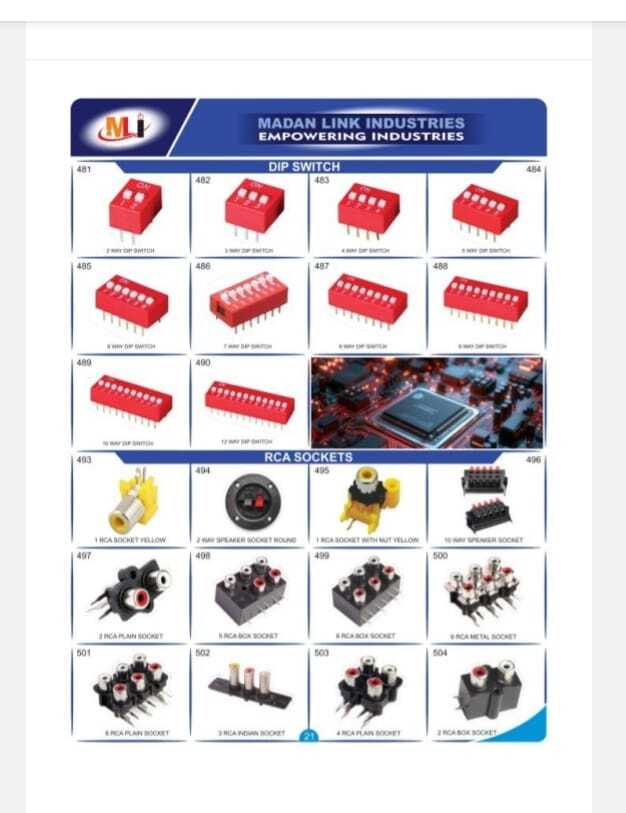
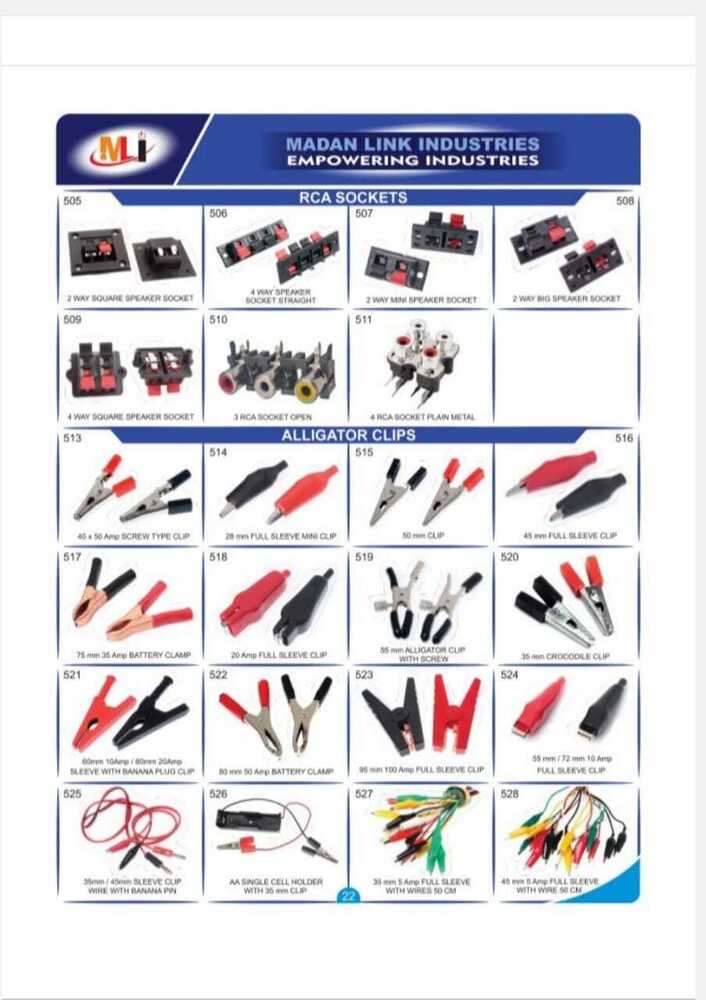
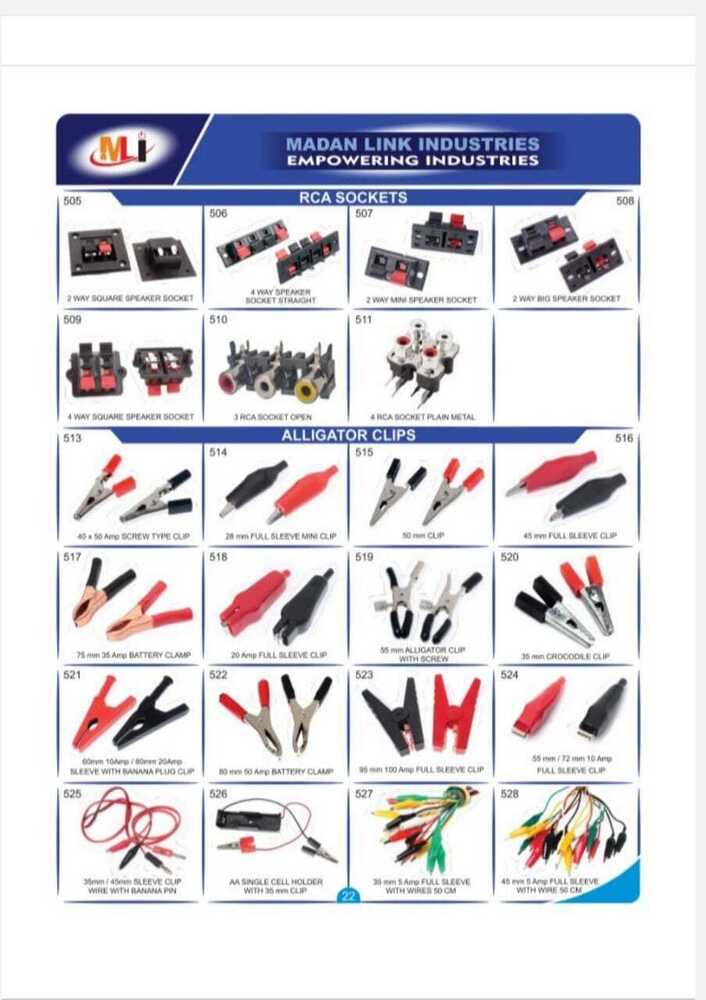
4 WAY SQUARE SPEAKER
Price 4 INR/ Piece
MOQ : 1000 Pieces
4 WAY SQUARE SPEAKER Specification
- Surface Treatment
- Matte Finish
- Thickness
- 70 mm
- Sealed
- Yes
- Cable Diameter
- 3.5 mm
- Product Type
- Speaker Unit
- Material
- ABS and Metal
- Application
- Public Address, Surround Sound
- Contact Resistance
- Less than 20m
- Insulation Resistance
- Over 100M at 500V
- Diameter
- 6 inch
- Terminal Socket
- Push Type
- Style
- 4 Way Square
- Fittings
- Surface Mount
- Rated Voltage
- 8 Ohms
- Weight
- 1.2 kg
- Color
- Black
- Crossover
- Integrated 4-Way
- Frequency Response
- 40 Hz - 20 kHz
- Woofer
- Polypropylene Cone
- Power Handling Capacity
- 120W RMS / 250W Max
- Sensitivity
- 90 dB (1W/1m)
- Mounting Depth
- 67 mm
- Grill
- Detachable Metal Grill
- Operating Temperature
- -10C to +50C
- Midrange
- Fiber Cone
- Connector Type
- Spring Clip
- Tweeter
- Piezo Dome
- Impedance
- 8 Ohms
4 WAY SQUARE SPEAKER Trade Information
- Minimum Order Quantity
- 1000 Pieces
- Sample Available
- Yes
- Sample Policy
- Sample costs shipping and taxes has to be paid by the buyer
- Main Domestic Market
- All India
About 4 WAY SQUARE SPEAKER
| Model Name/Number |
|
| Number Of Channels |
|
| Power |
|
| Speaker Channel |
|
| Current Rating |
|
| Size |
|
| Material |
|
| Socket With Shutter |
|
| Minimum Order Quantity |
|
- Standard Connectivity: Provides standard audio and video connectivity, widely used in consumer electronics.
- Color-Coded: Typically color-coded (red, white, yellow) for easy identification of audio and video channels.
- Durable Construction: Made from high-quality materials such as gold-plated contacts to ensure durability and optimal signal transmission.
Exceptional Audio Performance
Experience high-fidelity sound with the 4 WAY SQUARE SPEAKER, engineered for impressive clarity and dynamic range. The 4-way integrated crossover ensures distinct separation between frequencies, while the high-sensitivity rating of 90 dB maximizes sound output with minimal power input. Its polypropylene woofer, fiber cone midrange, and piezo dome tweeter deliver balanced audio for any environment.
Robust Construction and Versatile Design
Built from durable ABS and metal components, this speaker combines longevity with a modern aesthetic. Its matte finish and detachable grill offer both protection and style. The 67 mm mounting depth and surface mount fittings enable convenient installation in various settings, making it ideal for both permanent and temporary audio setups.
Ideal for a Range of Applications
Designed for versatility, the 4 WAY SQUARE SPEAKER is perfect for public address systems and immersive surround sound experiences. Its wide frequency response and sealed enclosure make it suitable for auditoriums, conference rooms, entertainment venues, or home cinemas in diverse climates, operating reliably from -10C to +50C.
FAQs of 4 WAY SQUARE SPEAKER:
Q: How should I install the 4 WAY SQUARE SPEAKER for optimal audio performance?
A: For best results, use the included surface-mount fittings to securely place the speaker at ear level and ensure the push-type terminal socket connects firmly with a 3.5 mm diameter cable. The 67 mm mounting depth allows for versatile placement in both wall and ceiling installations.Q: What audio systems are compatible with this speakers 8 Ohm impedance and spring clip connectors?
A: The speakers 8 Ohm impedance and push-type, spring clip connectors make it compatible with most standard amplifiers, home theater receivers, and public address systems capable of handling an 8 Ohm load.Q: When is it advisable to use the included detachable metal grill?
A: The detachable metal grill should be used in high-traffic or public environments to protect the speaker components from dust, impact, and tampering. It can be removed for cleaning or when a more open design is preferred in controlled spaces.Q: Where can this speaker be effectively utilized?
A: The 4 WAY SQUARE SPEAKER excels in various settings, including auditoriums, conference halls, classrooms, home entertainment spaces, and commercial venues. Its sturdy build and wide operating temperature range make it suitable for indoor and semi-outdoor applications alike.Q: What is the process for connecting this speaker to an amplifier?
A: Simply strip the end of your speaker cable (up to 3.5 mm diameter), insert it into the spring clip terminal socket, and ensure a secure connection. Confirm that polarity (+/-) matches your amplifiers terminals for correct sound reproduction.Q: How does the integrated 4-way crossover enhance audio quality?
A: The integrated 4-way crossover divides audio input into dedicated ranges for the woofer, midrange, and tweeter. This specialization minimizes distortion and delivers clearer, richer, and more detailed sound across the entire frequency spectrum.Q: What benefits does the sealed enclosure provide?
A: Sealed enclosures prevent unwanted air movement, improving bass accuracy and overall sound clarity. This design not only protects the internal components but also ensures consistent performance in varying acoustic environments.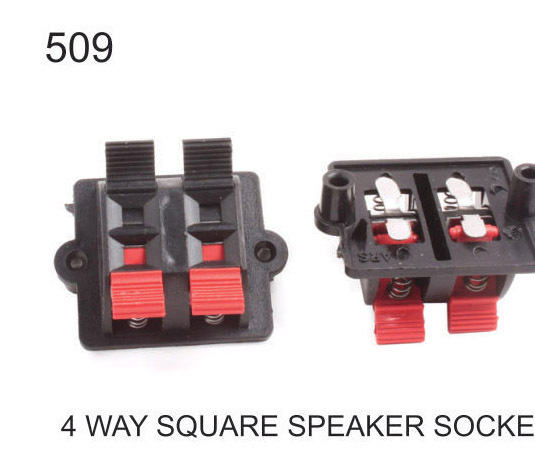


Tell us about your requirement

Price:
Quantity
Select Unit
- 50
- 100
- 200
- 250
- 500
- 1000+
Additional detail
Mobile number
Email

More Products in Rca Socket Category
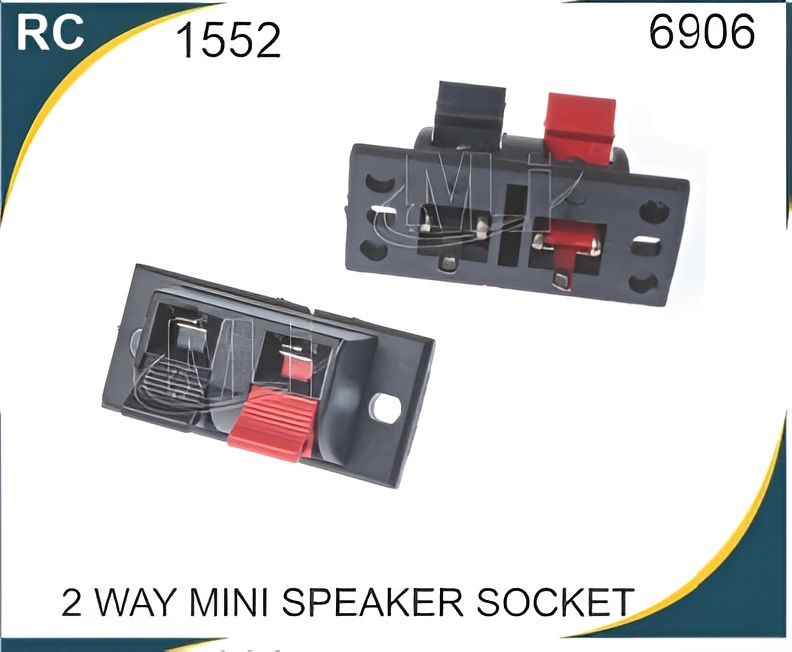
2 WAY MINI SPEAKER SOCKET
Price 2 INR / Piece
Minimum Order Quantity : 1000 Pieces
Material : Other, ABS Plastic
Application : Audio Equipment
Product Type : Other, Speaker Socket
Weight : 15 g
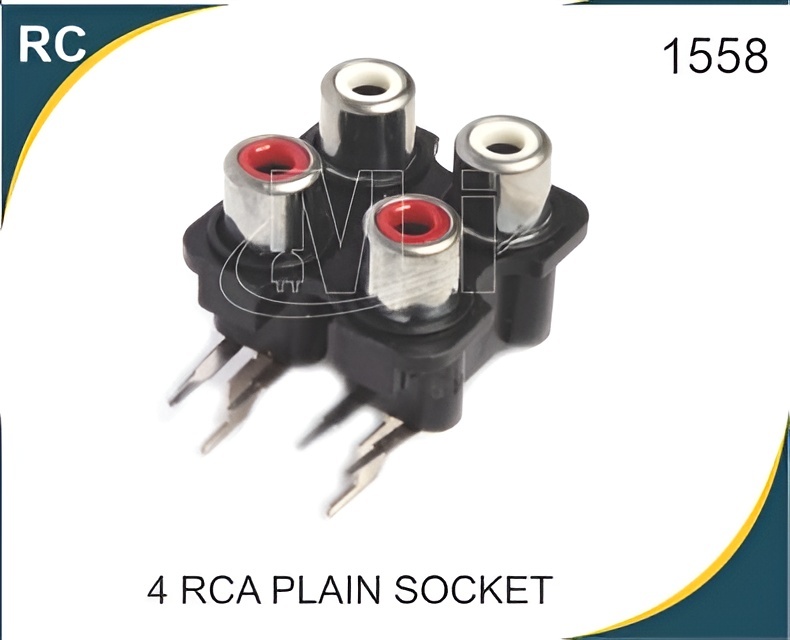
4 RCA PLAIN SOCKET
Price 5 INR / Piece
Minimum Order Quantity : 1000 Pieces
Material : Other, ABS plastic body with nickelplated brass contacts
Application : Home theater, amplifiers, audiovideo equipment
Product Type : Other, 4 RCA Plain Socket Panel
Weight : Approx 8 grams per unit
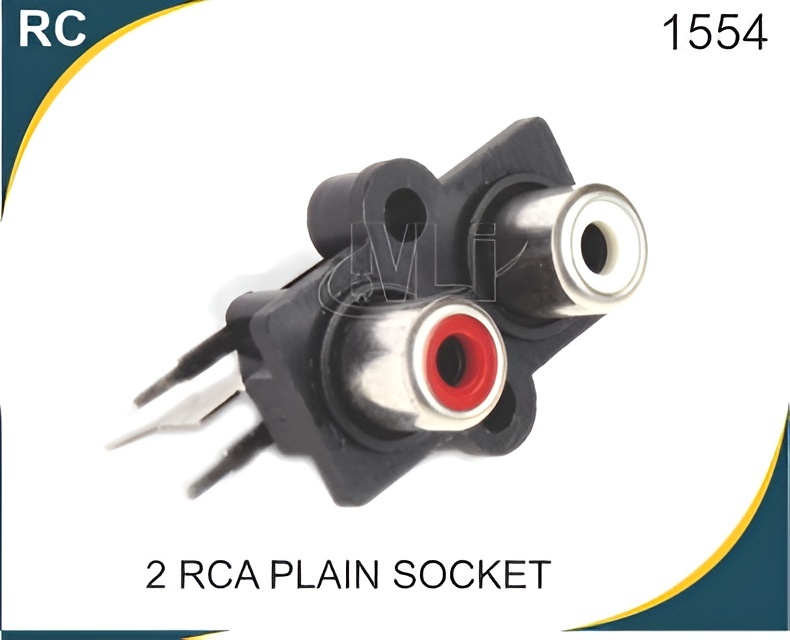
2 RCA PLAIN SOCKET
Price 9 INR / Piece
Minimum Order Quantity : 1000 Pieces
Material : Other, Nickel Plated Brass, Plastic Insulator
Application : Audio/Video Signal Transmission
Product Type : Other, RCA Socket
Weight : Approx 5 grams per socket
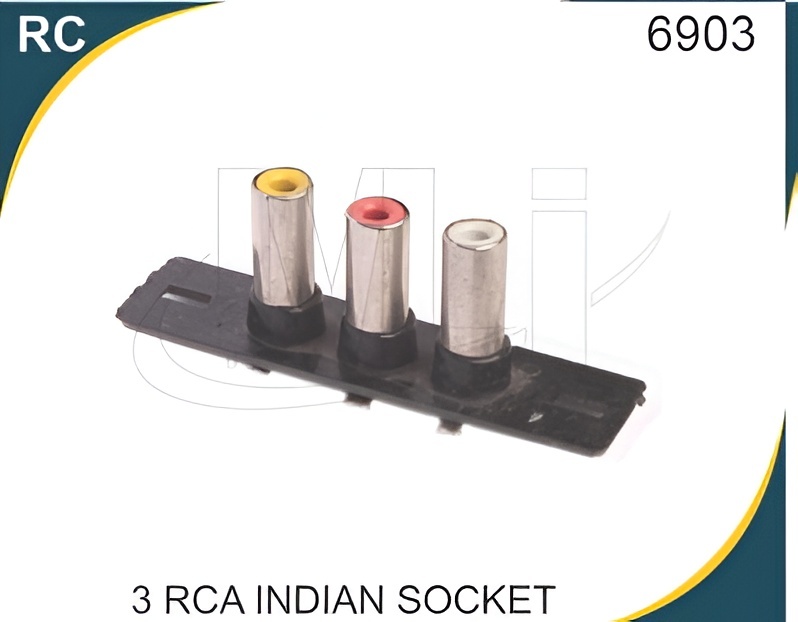
3 RCA INDIAN SOCKET
Price 3 INR / Piece
Minimum Order Quantity : 1000 Pieces
Material : Other, Polycarbonate Body; Brass Contacts
Application : Home Theater Systems, TVs, Amplifiers
Product Type : Other, 3 RCA Indian Socket
Weight : Approx 40 g

We accept only bulk quantity orders.
Madan Link Industries
GST : 07GXHPS1420Q1ZW
GST : 07GXHPS1420Q1ZW
Shop No-257, Old Lajpat Rai Market, Chandni Chowk,Delhi - 110006, India
Phone :07971549107

 Send Inquiry
- Rocker Switch
- Round Rocker
- Big Rocker
- Long Rocker
- Monitor Switch
- Micro Switch
- Tactile Switch
- Lock-no Lock Switches
- Toggle Switches
- Ac Sockets
- Dc Sockets
- Philips Socket
- Cell Holders
- Fuse And Fuse Holder
- Alligator Clip
- Potentiometer And Slides
- Usb Connectors
- DC Fans
- Aux Sockets
- Rca Socket
- Mrs Connectors
- DC Buzzer
- Audio Couplers And Pins
- Power Switches
- XLR Connectors
- Wires And Leads
- Dip Switch
- Led Bulb And Holders
- Ohm Preset
- Berg Strip And Db Connectors
- Dust Cover
- Barrier Terminal Connector
- Metal Switch
- Nickel Strip
- Dc Motors
- Kettle Parts
- BANANA SOCKETS & PLUG
- MOULDINGS
- BARRIER & JST CONNECTORS
- THIMBLES
- MISCELLANEOUS ITEM
- XT CONNECTORS
- Voltmeter & Display
 Send Inquiry
Madan Link Industries
All Rights Reserved.(Terms of Use)
Developed and Managed by Infocom Network Private Limited.
Developed and Managed by Infocom Network Private Limited.

