


Call us now
07971549107

 Send Inquiry
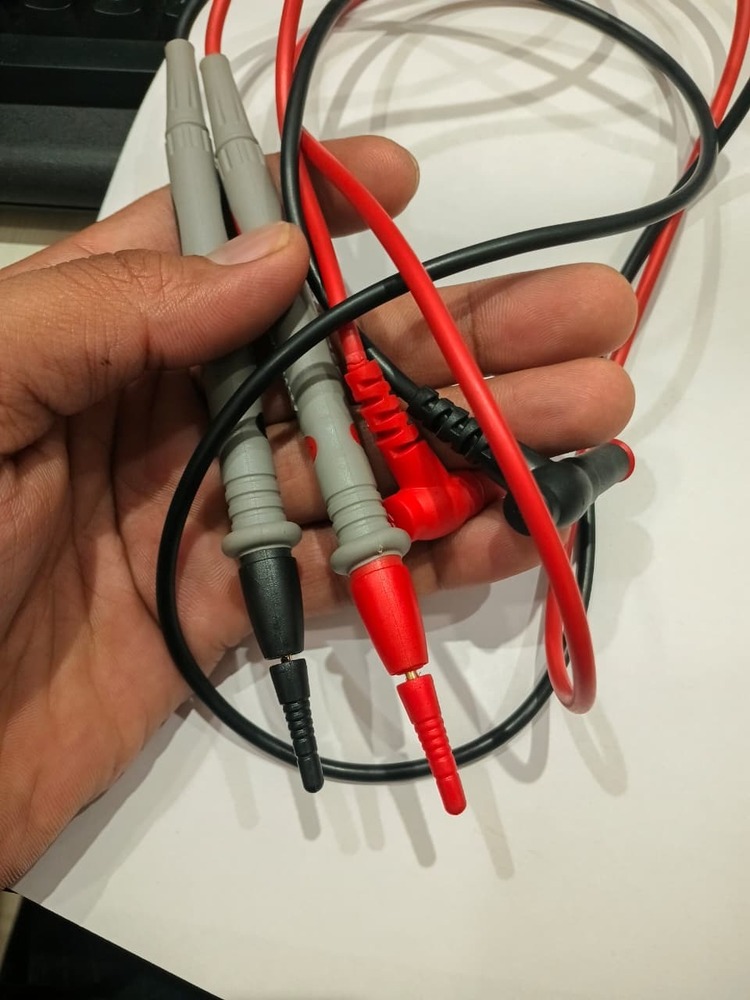
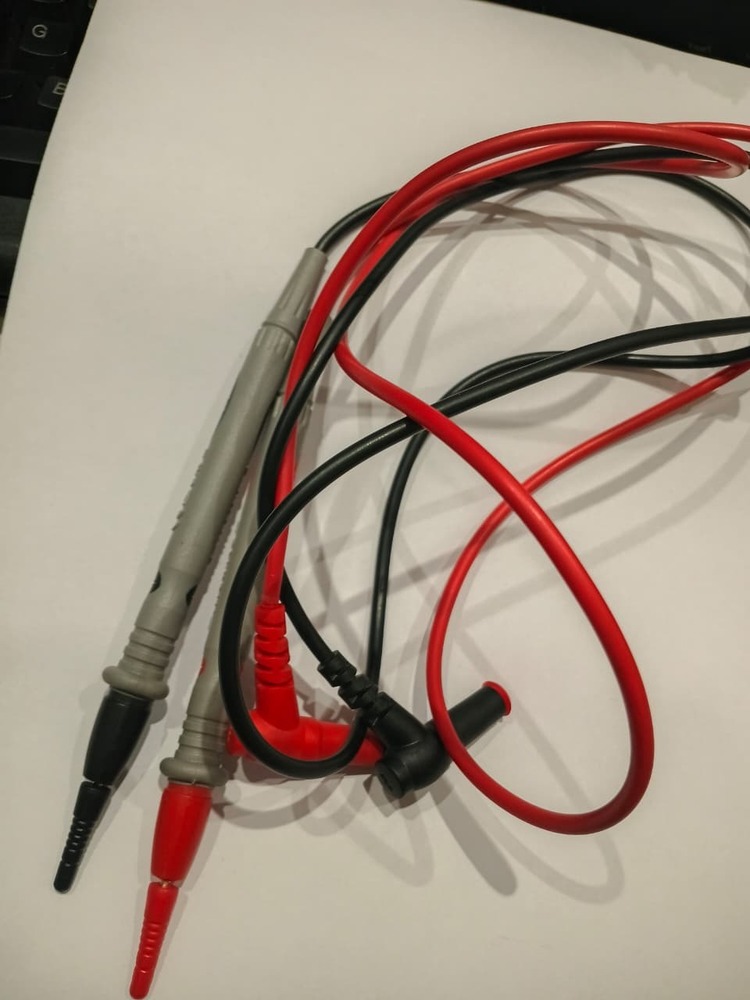
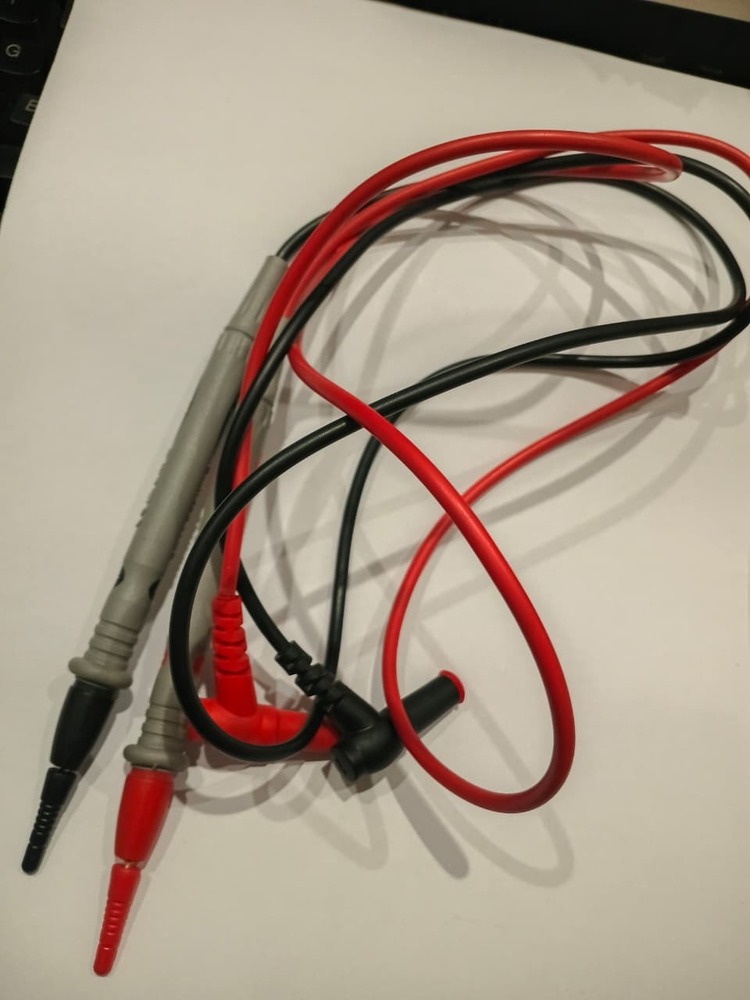
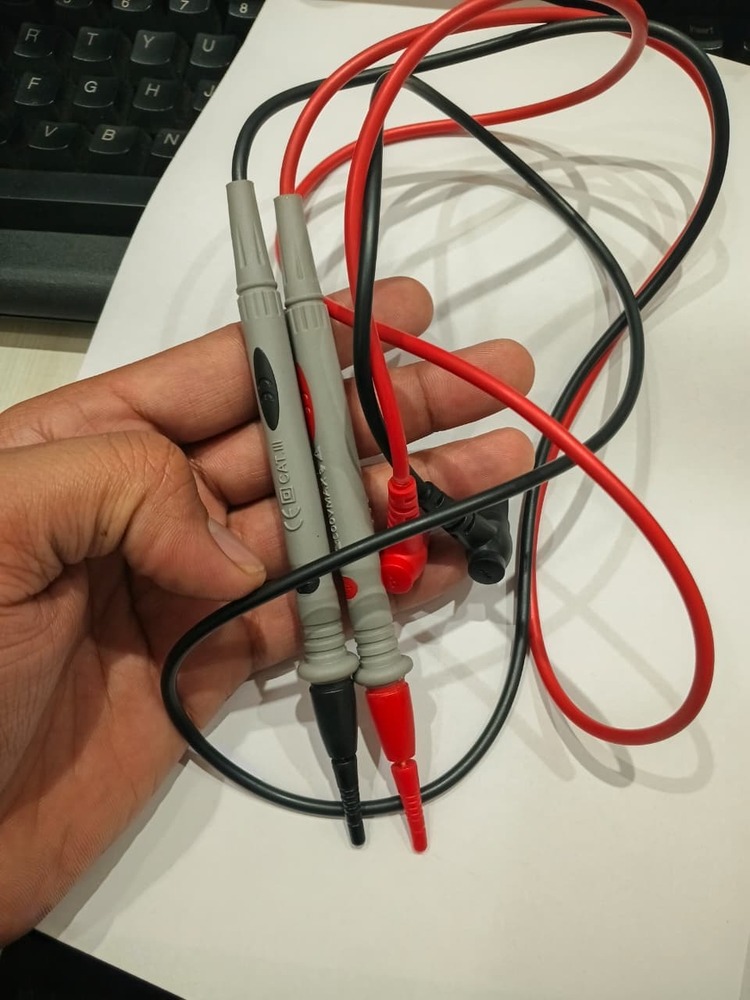
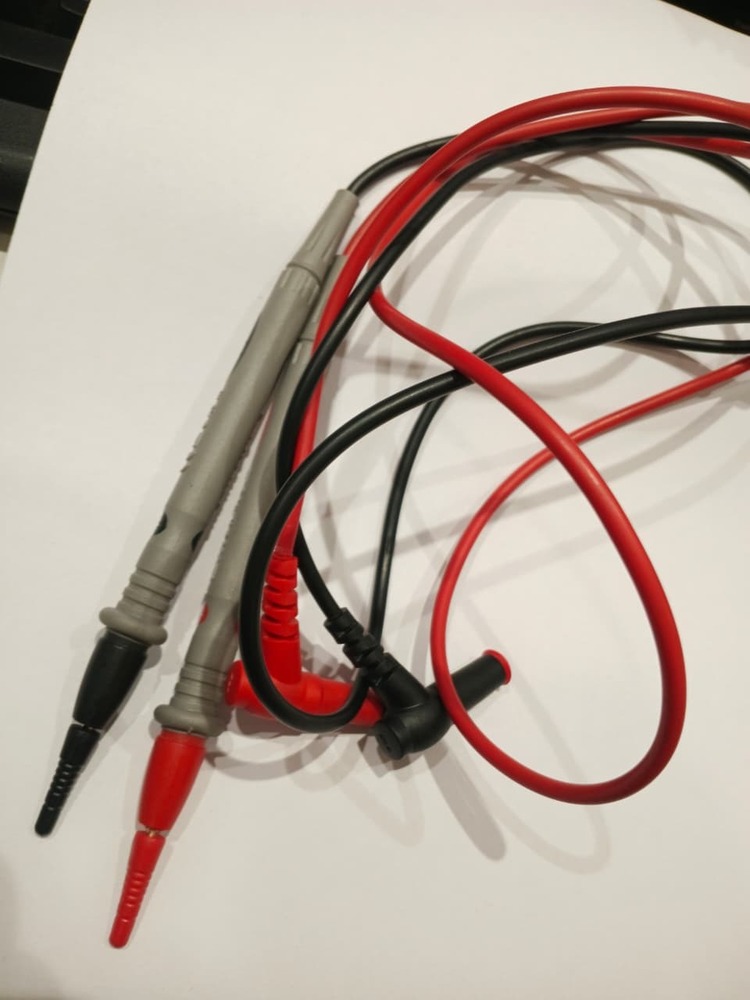
MULTIMETER LEAD
Price 50 INR/ Piece
MULTIMETER LEAD Specification
- Temperature
- -10°C to 50°C
- No Of Core
- 2 (Dual Lead: Red and Black)
- Connector Type
- Banana Plug to Test Probe
- Conductor Type
- Stranded
- Cable Length
- 1 Meter
- Product Type
- Multimeter Lead
- Material
- PVC, Copper
- Function
- Electrical Testing and Measurement
- Usage
- Connects Multimeter to Circuit for Accurate Readings
- Voltage Surge
- Up to 1000V
- Frequency (MHz)
- DC/Low Frequency
- Rated Voltage
- 1000V
- Rated Current
- 10A
- Cable Capacity
- 10A Maximum
- Insulation Material
- PVC
- Conductor Material
- Copper
- Length
- 1 Meter
- Size
- Standard Fitting for Multimeter Probes
- Color
- Red and Black
- Diameter
- Approx. 4mm
- Application
- Electrical Testing, Electronic Service and Research
- Probe Material
- Nickel-Plated Brass
- Contact Resistance
- Max 20m
- Weight
- Approx. 50g (pair)
- Flexibility
- High Flex PVC Jacket
- Shielding
- No Shield (Unshielded)
- Probe Tip Diameter
- Approx. 2mm
- Probe Tip Length
- Approx. 18mm
- Safety Category
- CAT II 1000V
- Compatibility
- Universal for Digital and Analog Multimeters
- Storage Conditions
- Store in a Dry Place
MULTIMETER LEAD Trade Information
- Minimum Order Quantity
- 1000 Pieces
- Sample Available
- Yes
- Sample Policy
- Sample costs shipping and taxes has to be paid by the buyer
- Main Domestic Market
- All India
About MULTIMETER LEAD
| Usage/Application |
|
| Color |
|
| Current |
|
| Insulation Material |
|
| Cable Conductor |
|
| Voltage |
|
Universal Multimeter Compatibility
Designed to fit standard multimeter sockets, these leads are versatile and suitable for both analog and digital models. The banana plug connectors and standard sizing ensure a stable connection, eliminating fit issues during electronic service, electrical testing, or research work.
Durability and Safety Assurance
Constructed with a robust PVC insulation and nickel-plated brass probe tips, these leads grant high flexibility without compromising safety. Rated at CAT II 1000V and 10A, users can trust their resilience against electrical surges and harsh work conditions. Proper use minimizes risk and maintains accuracy.
Precise Measurement Reliability
Boasting low contact resistance (max 20m), stranded copper conductors, and high-quality probe materials, these leads deliver accurate circuit readings. Their 1-meter length provides ample reach for most testing scenarios, aiding efficient workflow in laboratories, workshops, and field settings.
FAQs of MULTIMETER LEAD:
Q: How do I connect the multimeter lead to my device?
A: Simply insert the banana plug connector into the multimeters input ports, matching the red and black leads to the appropriate sockets. Attach the probe tips to the circuit points you need to test for accurate measurement results.Q: What makes these leads suitable for both digital and analog multimeters?
A: The universal design, standard connector type, and sizing ensure compatibility with most multimeters available in the market, whether digital or analog. This flexibility allows seamless integration into a wide range of testing devices.Q: Where should I store the multimeter leads for maximum longevity?
A: Store the leads in a dry environment at temperatures between -10C and 50C to prevent damage to the PVC insulation and maintain reliable performance over time.Q: What is the process for using these leads during electrical testing?
A: Connect the leads to the multimeter, ensuring secure contact. Place the probe tips onto the circuits test points, then read the values displayed on your multimeter. Always observe safety guidelines for the rated voltage and current.Q: When should I consider replacing my multimeter leads?
A: Consider replacing the leads if you notice frayed insulation, damaged probe tips, increased contact resistance, or inconsistent readings. Regular inspections help maintain safety and accuracy during usage.Q: What are the benefits of the high-flex PVC jacket and stranded copper conductor?
A: The high-flex PVC jacket enhances the durability and ease of use by preventing kinks, while stranded copper conductors provide excellent electrical conductivity for stable and accurate measurements.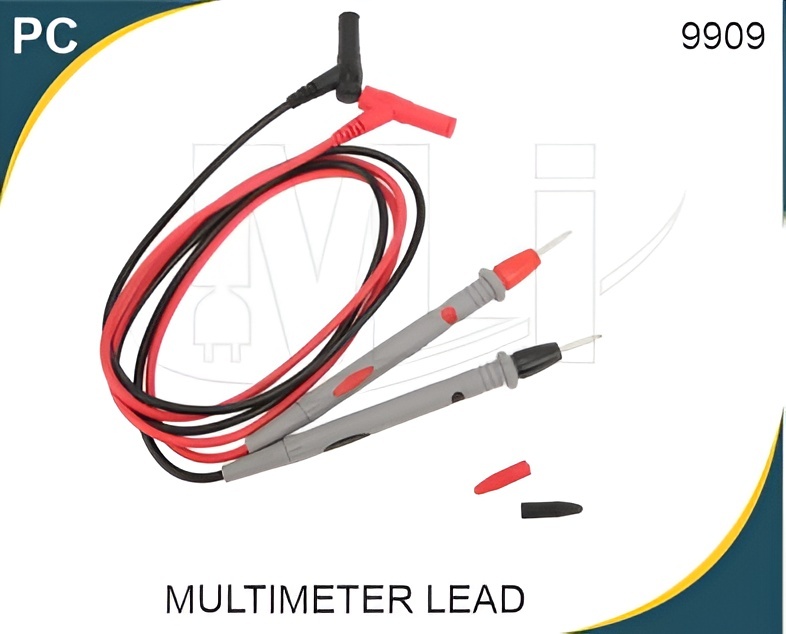

Price:
- 50
- 100
- 200
- 250
- 500
- 1000+

More Products in Wires And Leads Category
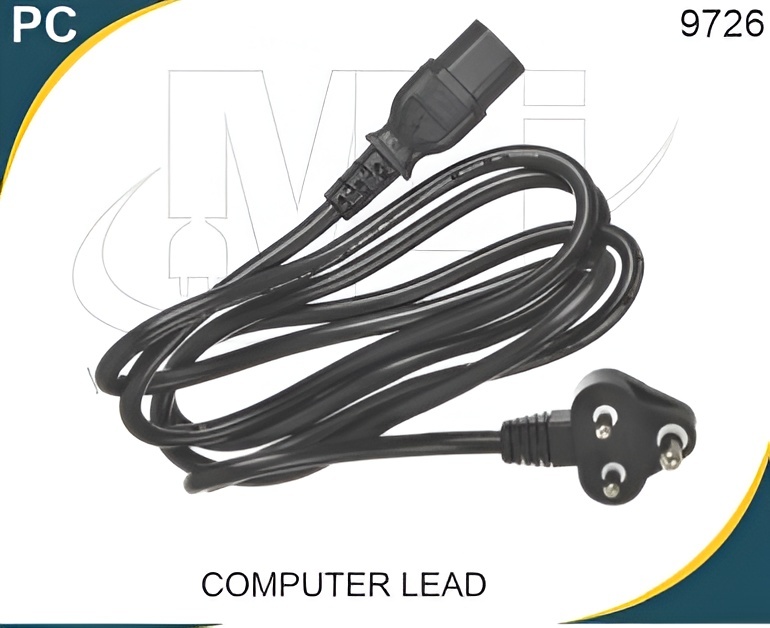
COMPUTER LEAD
Price 70 INR / Piece
Minimum Order Quantity : 1000 Pieces
Color : Black
Conductor Material : Pure Copper
Function : Computer Power Supply Connection
Usage : For Computer, Printer, Monitor, UPS, and other electronic equipment
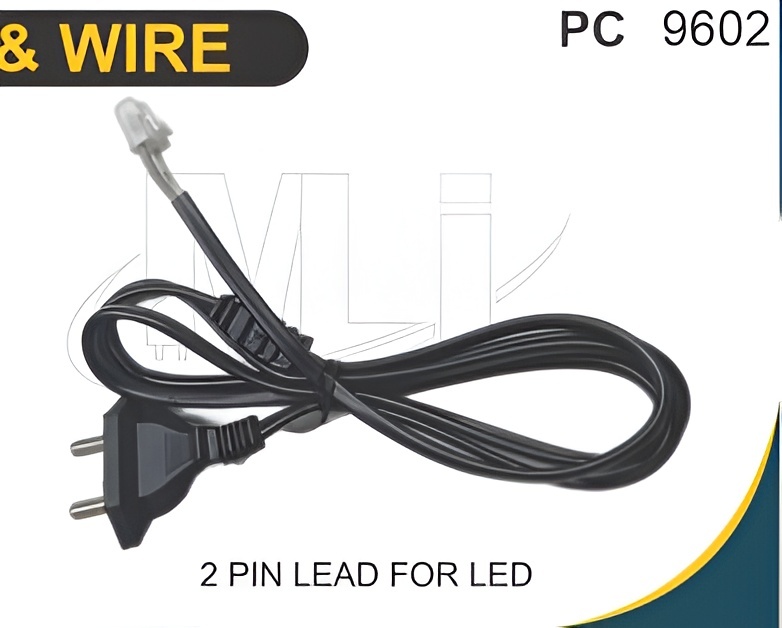
2 PIN LEAD FOR LED TV
Price 60 INR / Piece
Minimum Order Quantity : 1000 Pieces
Color : Black
Conductor Material : Pure Copper
Function : Power Supply Cable for LED TV
Usage : Connecting LED TV to Power Source
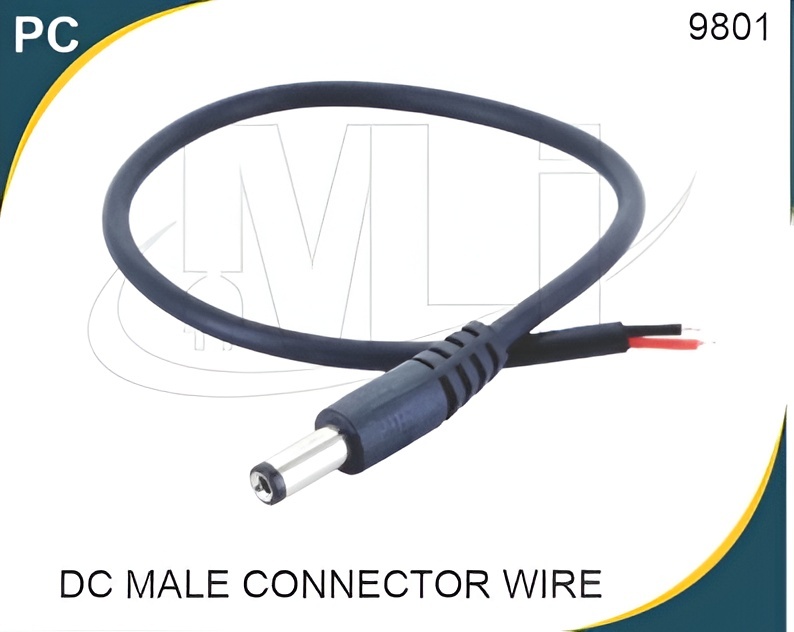
DC MALE CONNECTOR WIRE
Price 4 INR / Piece
Minimum Order Quantity : 1000 Pieces
Color : Black
Conductor Material : Copper
Function : Power transmission and connectivity
Usage : For connecting DC power supply to various devices
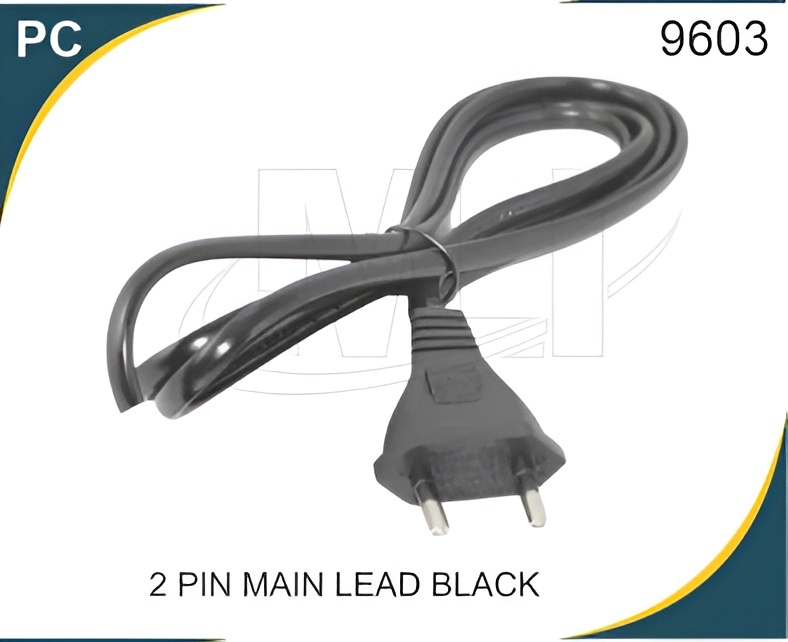
2 PIN MAIN LEAD BLACK
Price 19 INR / Piece
Minimum Order Quantity : 100 Pieces
Color : Black
Conductor Material : Copper
Function : Power Transmission
Usage : Electrical Appliances

GST : 07GXHPS1420Q1ZW


 Send Inquiry
- Rocker Switch
- Round Rocker
- Big Rocker
- Long Rocker
- Monitor Switch
- Micro Switch
- Tactile Switch
- Lock-no Lock Switches
- Toggle Switches
- Ac Sockets
- Dc Sockets
- Philips Socket
- Cell Holders
- Fuse And Fuse Holder
- Alligator Clip
- Potentiometer And Slides
- Usb Connectors
- DC Fans
- Aux Sockets
- Rca Socket
- Mrs Connectors
- DC Buzzer
- Audio Couplers And Pins
- Power Switches
- XLR Connectors
- Wires And Leads
- Dip Switch
- Led Bulb And Holders
- Ohm Preset
- Berg Strip And Db Connectors
- Dust Cover
- Barrier Terminal Connector
- Metal Switch
- Nickel Strip
- Dc Motors
- Kettle Parts
- BANANA SOCKETS & PLUG
- MOULDINGS
- BARRIER & JST CONNECTORS
- THIMBLES
- MISCELLANEOUS ITEM
- XT CONNECTORS
- Voltmeter & Display
 Send Inquiry
Developed and Managed by Infocom Network Private Limited.

