


Call us now
07971549107
Showroom
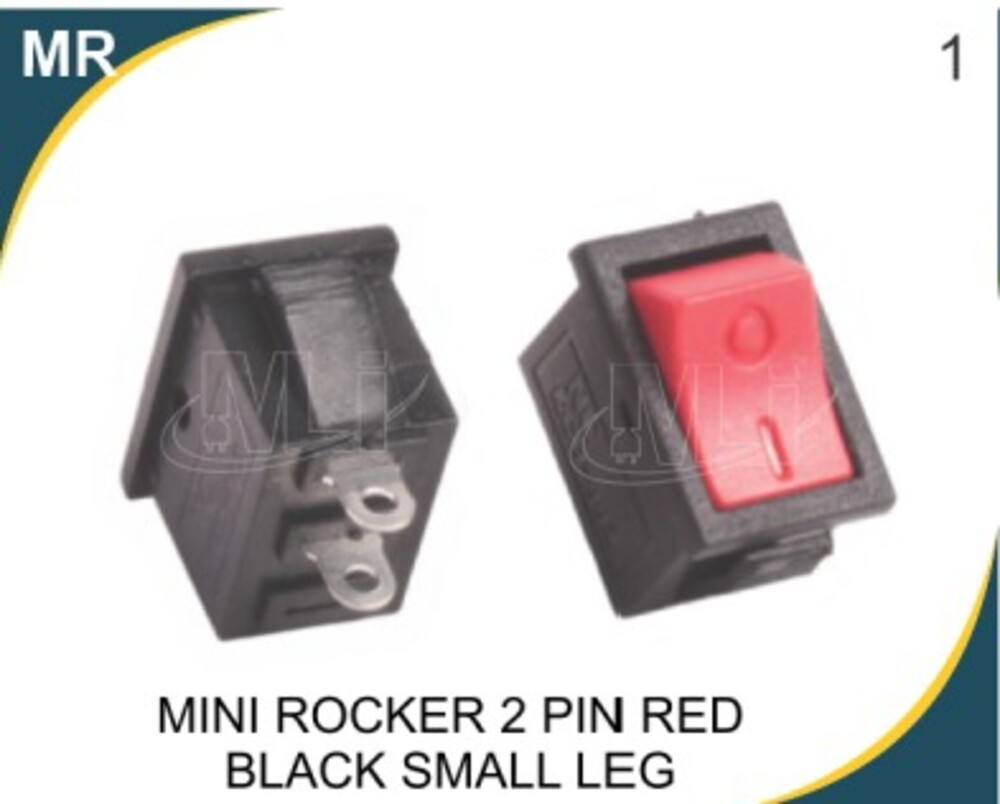
(42)

(18)

(24)
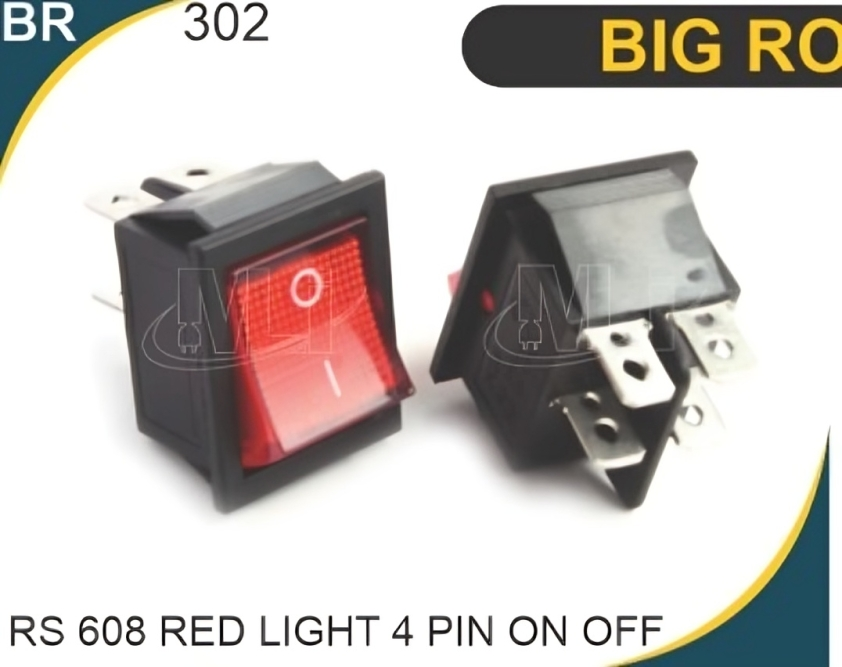
(37)
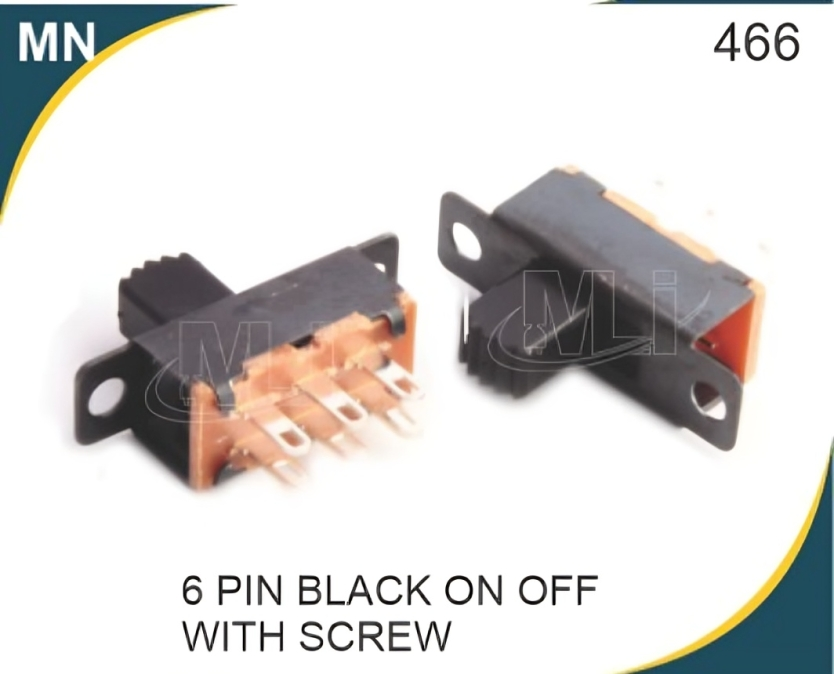
(28)
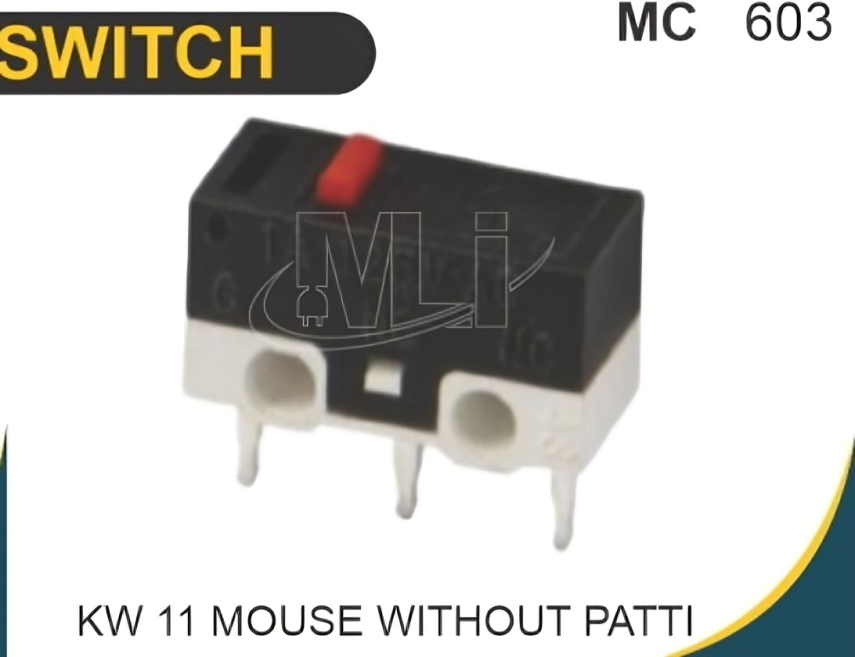
(17)
(84)

(62)
(24)
(22)
(21)
(10)
(16)
(11)

(9)
(14)
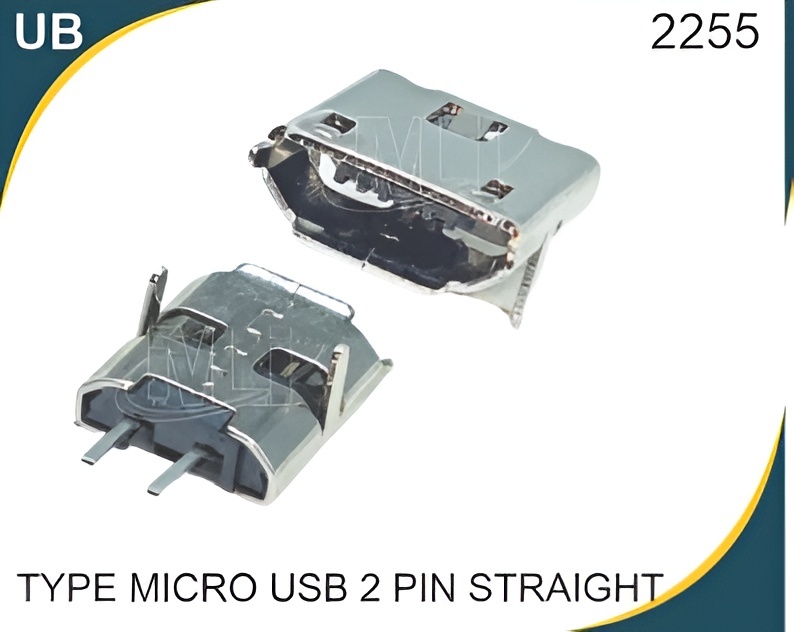
(9)
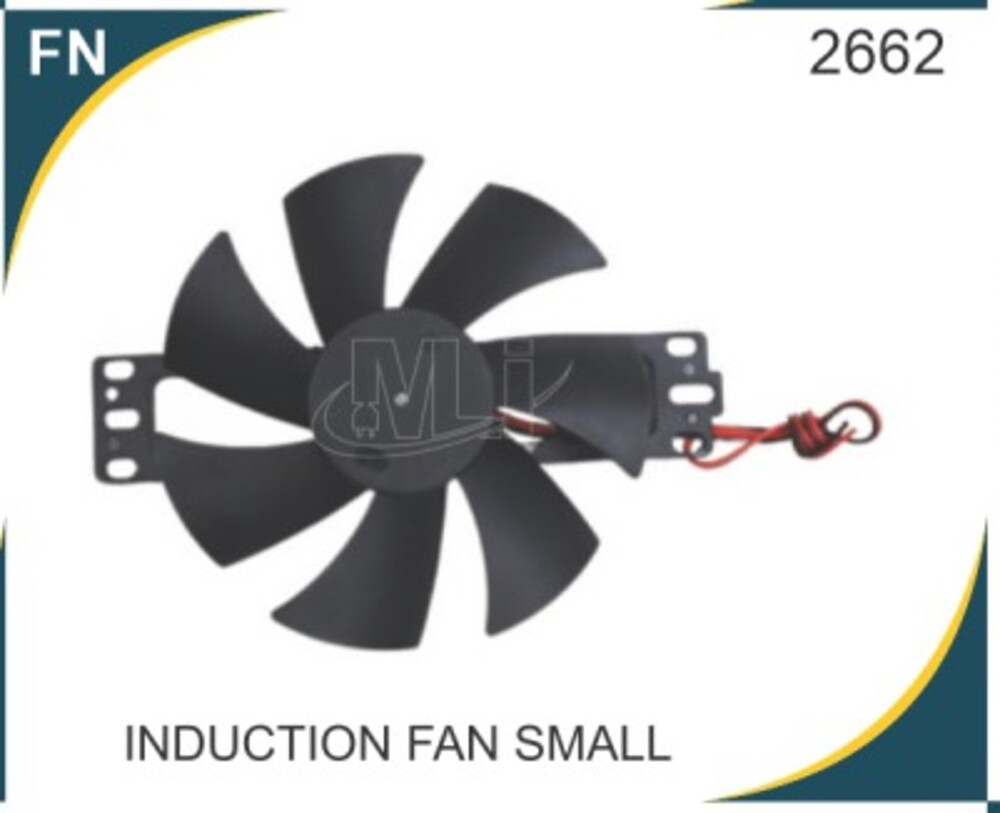
(6)
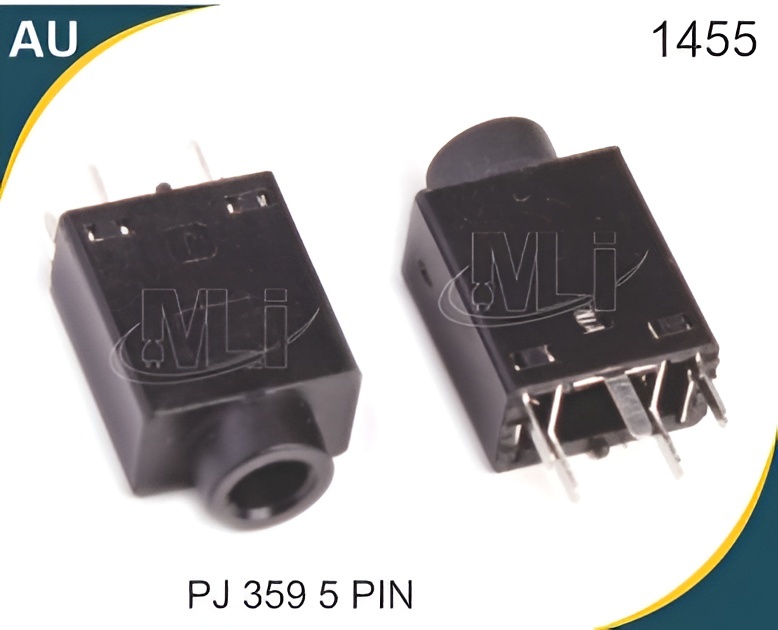
(14)
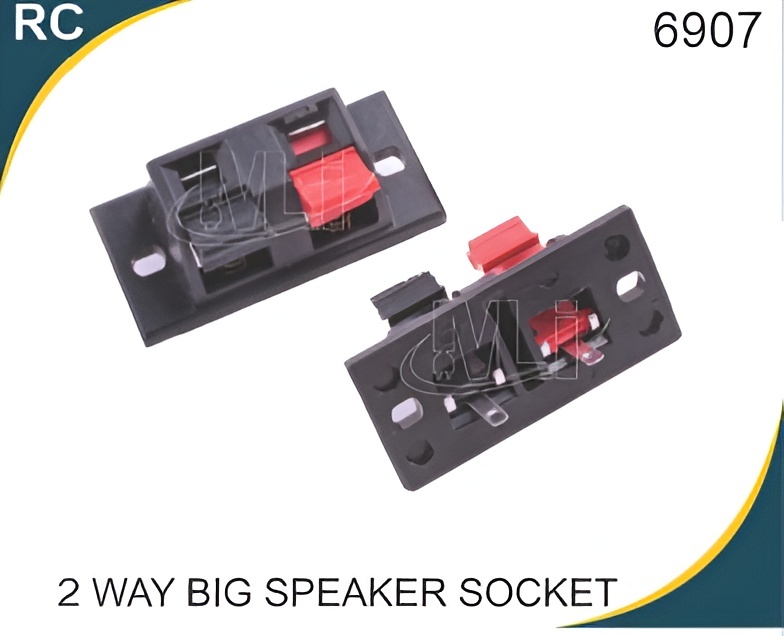
(19)

(11)
(53)
(14)

(15)
(14)

(5)
(18)
(6)
(5)

(4)

(12)
(4)
(10)

(23)
(17)

(11)
(27)
(4)
We accept only bulk quantity orders.
Madan Link Industries
GST : 07GXHPS1420Q1ZW
GST : 07GXHPS1420Q1ZW
Shop No-257, Old Lajpat Rai Market, Chandni Chowk,Delhi - 110006, India
Phone :07971549107

 Send Inquiry
- Rocker Switch
- Round Rocker
- Big Rocker
- Long Rocker
- Monitor Switch
- Micro Switch
- Tactile Switch
- Lock-no Lock Switches
- Toggle Switches
- Ac Sockets
- Dc Sockets
- Philips Socket
- Cell Holders
- Fuse And Fuse Holder
- Alligator Clip
- Potentiometer And Slides
- Usb Connectors
- DC Fans
- Aux Sockets
- Rca Socket
- Mrs Connectors
- DC Buzzer
- Audio Couplers And Pins
- Power Switches
- XLR Connectors
- Wires And Leads
- Dip Switch
- Led Bulb And Holders
- Ohm Preset
- Berg Strip And Db Connectors
- Dust Cover
- Barrier Terminal Connector
- Metal Switch
- Nickel Strip
- Dc Motors
- Kettle Parts
- BANANA SOCKETS & PLUG
- MOULDINGS
- BARRIER & JST CONNECTORS
- THIMBLES
- MISCELLANEOUS ITEM
- XT CONNECTORS
- Voltmeter & Display
 Send Inquiry
 Call Me Free
Madan Link Industries
All Rights Reserved.(Terms of Use)
Developed and Managed by Infocom Network Private Limited.
Developed and Managed by Infocom Network Private Limited.



